How Much Should Freelancers Set Aside for Taxes in 2026
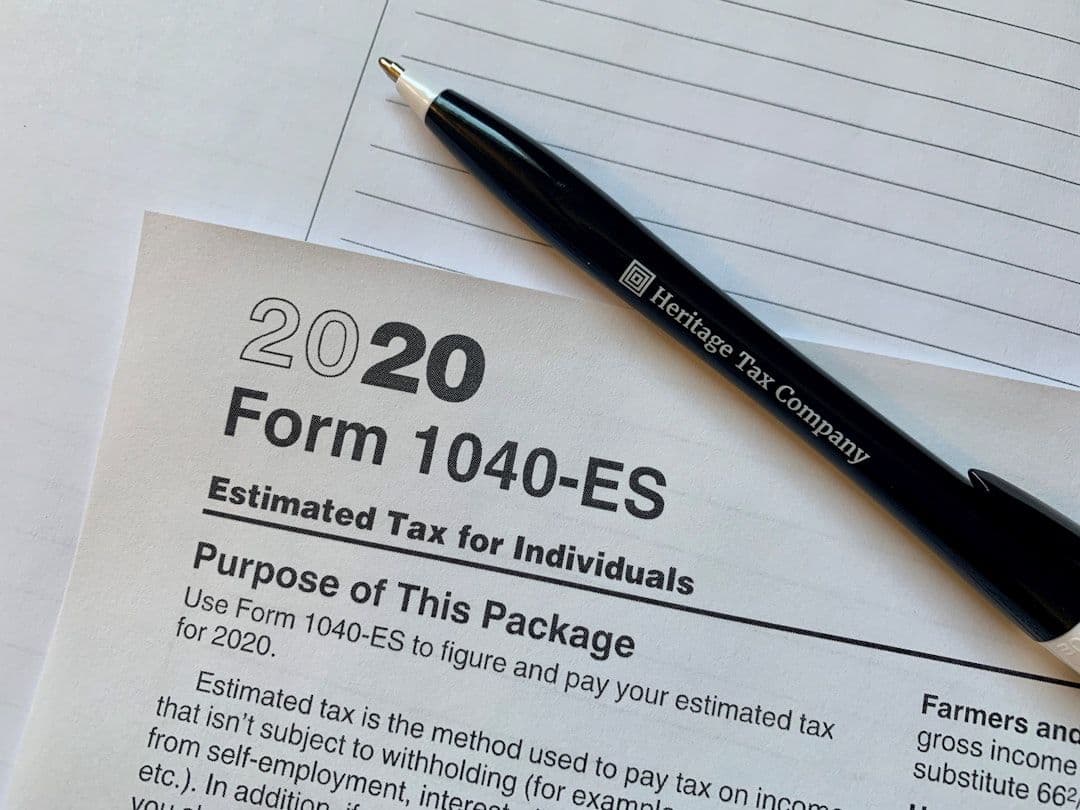
If you're wondering how much freelancers should set aside for taxes in 2026, the short answer is 25-30% of your gross income. But the real answer depends on your income level, deductions, and business structure.
Most new freelancers make the mistake of spending every dollar they earn, only to face a crushing tax bill come April. The key is building a system that automatically sets money aside before you're tempted to spend it. When you're juggling multiple clients and income streams, staying organized with your calendar helps track payment dates and quarterly deadlines just as much as setting aside the right percentage.
Understanding Your Tax Rate as a Freelancer in 2026
Freelancers pay both income tax and self-employment tax, which covers Social Security and Medicare. Self-employment tax alone is 15.3% of your net earnings, hitting every dollar you make.
For 2026, here's what you'll owe based on income:
- **$0 - $47,150**: 22% effective rate (10-12% income tax + 15.3% self-employment)
- **$47,151 - $100,525**: 27% effective rate (22% income tax + 15.3% self-employment)
- **$100,526 - $191,950**: 32% effective rate (24% income tax + 15.3% self-employment)
- **$191,951+**: 35%+ effective rate (32% income tax + 15.3% self-employment)
These are rough estimates. Your actual rate depends on deductions, filing status, and whether you live in a state with income tax.
The 30% Rule: Why It Works for Most Freelancers
Setting aside 30% covers most freelancers earning $50,000-$150,000 annually. Here's the math:
- 22-24% for federal taxes (income + self-employment)
- 3-6% for state taxes (varies by location)
- 2-3% buffer for safe measure
This percentage assumes you're taking standard business deductions like home office, equipment, and professional development. If you're more aggressive with deductions or earn less than $40,000, you might get away with 25%.
The mistake many freelancers make is calculating based on net income after expenses. Always calculate your tax savings on gross income, then deduct business expenses when filing.
Setting Up Your Tax Savings System
The best system runs automatically so you never have to think about it. Here's the step-by-step process:
- Open a separate savings account for taxes only. Many freelancers use high-yield savings accounts that earn 4-5% annually.
- Set up automatic transfers the day after each client payment hits your account. If you get paid $5,000, transfer $1,500 immediately.
- Track quarterly deadlines in your calendar system. The 2026 dates are January 15, April 15, June 16, and September 15.
- Review monthly to ensure you're on track. If you're earning more than expected, bump your percentage to 35%.
When managing multiple client accounts and payment schedules, having all your calendars in one place makes it easier to track when payments are due and when to make transfers.
Quarterly Estimated Tax Payments: Your Safety Net
The IRS expects freelancers to pay taxes quarterly, not just at year-end. If you owe more than $1,000 when filing, you'll face penalties for underpayment.
Here's how to calculate quarterly payments:
- Take your expected annual tax bill
- Divide by 4
- Pay by each quarterly deadline
Example: If you expect to owe $12,000 in taxes for 2026, pay $3,000 each quarter. This satisfies the IRS requirement and prevents penalties.
Many freelancers pay 100% of last year's tax bill divided by 4. This "safe harbor" rule protects you from penalties even if you owe more at filing time.
State Tax Considerations for 2026
Seven states have no income tax: Alaska, Florida, Nevada, South Dakota, Tennessee, Texas, and Wyoming. If you live there, stick with the 25% federal-only recommendation.
High-tax states require bigger savings:
- **California**: Add 8-13% depending on income
- **New York**: Add 6-10% depending on income
- **New Jersey**: Add 5-11% depending on income
Some cities also impose taxes. New York City residents pay an additional 3-4%, while Philadelphia charges 3.8%.
If you're considering relocating for tax purposes, remember that most states tax income where the work is performed, not where you live. Moving to Florida won't help if all your clients are New York companies requiring on-site work.
Business Structure Impact on Tax Savings
Your business structure dramatically affects how much to set aside:
Sole Proprietorship/Single-Member LLC: Follow the 25-30% rule outlined above. You'll pay self-employment tax on everything.
S-Corporation: You can potentially save on self-employment taxes by paying yourself a reasonable salary and taking additional profits as distributions. But you'll need payroll processing and more complex bookkeeping.
Multi-Member LLC: Depends on tax election. Most are taxed like partnerships, with each member paying self-employment tax on their share.
For most freelancers earning under $100,000, sole proprietorship or single-member LLC keeps things simple. The S-Corp election makes sense when self-employment tax savings exceed the additional compliance costs.
Smart Deductions That Reduce Your Tax Bill
The more legitimate deductions you claim, the less you'll actually owe. Common freelancer deductions include:
- Home office (simplified or actual expense method)
- Business equipment and software subscriptions
- Professional development and training
- Business meals (50% deductible)
- Travel for client meetings
- Professional memberships and certifications
Keep detailed records throughout the year. A simple spreadsheet or app like QuickBooks Self-Employed tracks everything automatically.
Don't get aggressive with deductions to reduce your set-aside percentage. It's better to save too much and get a refund than to owe money you don't have.
Emergency Fund vs Tax Savings
Many freelancers struggle to save for both taxes and emergencies. Here's the priority order:
- **Tax savings first**: This money isn't yours—it belongs to the IRS
- **$1,000 starter emergency fund**: Covers small unexpected expenses
- **3-6 months of expenses**: Full emergency fund for income gaps
- **Business growth investments**: Equipment, training, marketing
Never touch tax savings for other purposes, even emergencies. The penalties and interest aren't worth it.
Staying Organized Throughout the Year
Successful tax planning requires consistent habits. Set up systems that work automatically:
- Automate transfers to your tax savings account
- Use accounting software to track income and expenses
- Schedule monthly reviews to adjust your savings rate
- Set calendar reminders for quarterly payment deadlines
When you're managing multiple client relationships and project timelines, time blocking templates can help you carve out dedicated time for financial management tasks.
Conclusion: Start Saving Today
The exact amount freelancers should set aside for taxes in 2026 depends on your income, location, and business structure. But 30% of gross income works for most freelancers earning $50,000-$150,000 annually.
The key is starting immediately. Open a separate savings account today, set up automatic transfers, and mark quarterly deadlines in your calendar. Don't wait until December to start planning—by then it's too late to make meaningful changes.
Remember: it's better to save too much and get a refund than to scramble for tax money you don't have. Your future self will thank you for the discipline.